Protein-Rich Foods in Pakistan: Best Sources and Daily Needs
By Shahram
By Aneeha Zahid · Nutrition Writer · Updated October 10, 2026 · Reviewed by Prof. Dr. Amir Jamil, Professor of Biochemistry, University of Agriculture, Faisalabad (UAF), on October 2, 2026
Protein is important, but many people don't know how much they should eat each day or which common protein-rich foods provide enough. Because of busy lives, it's easy to ignore protein or limit yourself to just a few meals. Luckily, you don't need expensive supplements to meet your daily protein requirements. This guide explains why protein matters, how many grams you may need (especially if you go to the gym), which cheap, protein-rich foods in Pakistan fit a traditional diet, and how to address a protein deficiency. It also includes a list of protein-rich foods and simple suggestions for high-protein meals.
What’s in this guide
- What Is Protein?
- Why Does Your Body Need Protein?
- How much protein do you need each day?
- Best Protein-Rich Foods in Pakistan
- Protein Foods List: Grams of Protein per Serving
- Easy High-Protein Meal Ideas
- Signs of Protein Deficiency
- How to Overcome Protein Deficiency
- Can You Eat Too Much Protein?
- Practical Tips for Getting Enough Protein
- Conclusion
- Frequently Asked Questions

What Is Protein?
Protein is an essential nutrient made of amino acids needed for growth, tissue repair, and maintenance. It can be obtained from foods such as eggs, dairy products, meat, lentils, beans, and nuts, which makes it a crucial element of a well-balanced diet.
Protein as a Macronutrient
Protein is one of the three main macronutrients, together with carbohydrates and fats, which the body requires in large quantities. It provides the amino acids needed for tissue growth, repair, and other essential functions. It is simple to include protein in a balanced diet because everyday foods such as eggs, milk, chicken, lentils, beans, and nuts are available.
The Role of Amino Acids
Amino acids are small units that form protein and help maintain and repair body tissues. The body cannot produce sufficient amounts of essential amino acids, so it must obtain them from the diet; however, it can produce non-essential amino acids. By eating a variety of protein sources, you can get all the amino acids required for normal body functions.
Why Does Your Body Need Protein?
Protein has many important functions, such as repairing tissues and supporting muscle and immune function. Consuming an adequate amount of protein as part of a well-balanced diet is beneficial for general health and helps to meet the body's daily physical requirements.

Muscle Building and Repair
The body uses amino acids from protein to build and repair muscle tissue. You need enough protein to keep muscles intact while exercising, staying physically active, and doing everyday movements. Eating a balanced diet that includes protein-rich foods helps to support muscle maintenance and recovery.
Immune System Support
The body makes the molecules involved in normal immune function using protein, and it needs adequate protein to get the amino acids required for these processes. Nevertheless, protein is only one factor affecting immune health since nutrition, sleep, and healthy habits also play a role.
Skin, Hair, and Nail Health
Protein helps build and maintain tissues in the body, such as skin, hair, and nails. Eating a wide range of foods with enough protein and other nutrients supports normal growth and maintenance.
Protein and Weight Management
Protein can help with weight management because protein-rich foods may increase fullness and make it easier to stick to a balanced diet. Yet protein alone does not lead to weight loss; healthy eating, portion control, regular physical activity, and a balanced diet all play a role.
How much protein do you need each day?
Your protein needs differ from others because they depend on factors such as age, body size, activity level, and individual circumstances. Understanding these differences helps you make better choices about your diet.

How much protein does an average person need?
The National Academies suggest that healthy adults should consume 0.8 grams of protein for each kilogram of body weight each day [1]. This is a general guideline, not a personal goal. It is a starting point, not a requirement for everyone.
Daily Protein Requirement in Grams
To work out your daily protein requirement in grams, multiply your weight in kilograms by 0.8. For instance:
- 50 kg adult: about 40 grams of protein per day
- 60 kg adult: about 48 grams of protein per day
- 75 kg adult: about 60 grams of protein per day
For example, two eggs at breakfast (12 g), a cup of daal at lunch (about 9 g), and 100 g of chicken at dinner (about 31 g) give you roughly 52 g of protein. That is close to the daily need for many adults. Pregnancy, breastfeeding, older age, and some health conditions can change protein needs, so personal advice may help [2].
Daily Protein Requirement for Gym and Active People
People who exercise regularly may need more protein than those who don't, especially since strength training increases the body's need for muscle repair and recovery. The International Society of Sports Nutrition suggests a daily protein intake of 1.4 to 2.0 grams per kilogram of body weight for most people who exercise [3]. For a gym-goer weighing 70 kg, this amounts to 98 to 140 grams per day.
You can meet this requirement without supplements by spreading your protein intake across three or four meals and using ordinary foods such as eggs, dahi, milk, chicken, fish, daal, and chana. Those who go to the gym should time their protein intake throughout the day to achieve their training objectives. Protein needs also vary by body size, age, training goals, and health.
Best Protein-Rich Foods in Pakistan (Affordable Protein Sources)
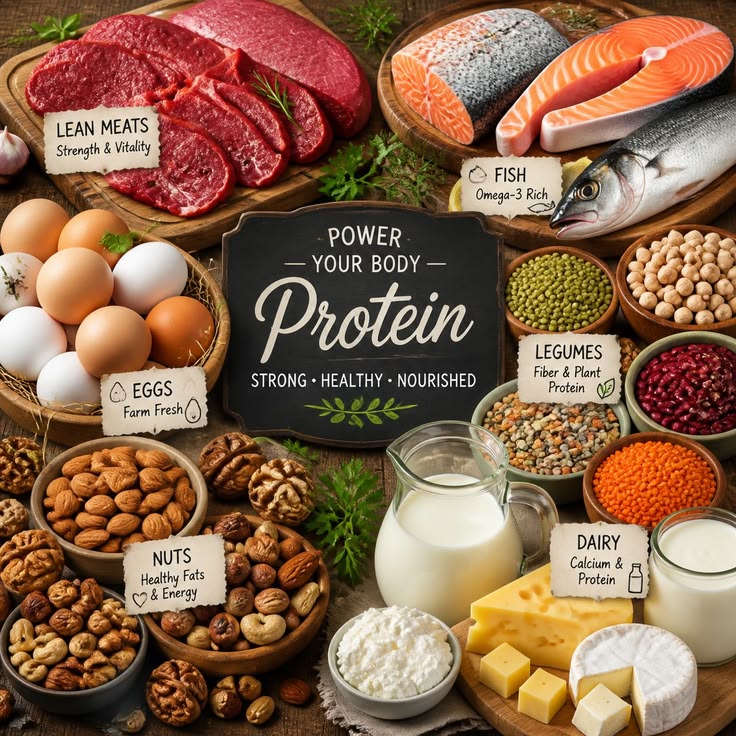
You don't need expensive or imported foods to get enough protein, since many common protein-rich foods in Pakistan provide useful amounts and can be easily incorporated into a balanced Desi diet. By choosing a variety of protein sources, you can ensure you get a wide range of nutrients throughout the day. You can serve chicken or fish with roti, rice, or vegetables for lunch or dinner. Eggs are also one of the cheapest high-protein foods available in many of the markets in Pakistan.

Plant-Based (Vegetarian) Protein Sources
If you are looking for an inexpensive source of vegetable protein, then traditional foods such as daal (made from moong, masoor, or chana), chickpeas (chana), and kidney beans (rajma) are good choices. You can cook them into well-known Desi dishes and serve them with roti or rice. Although nuts such as almonds and peanuts also contain protein, you should be careful with the amounts because they are energy-dense.
Dairy Protein Sources
Milk, dahi (yogurt), and paneer are convenient dairy protein sources you can use for breakfast, as snacks, or as part of a main meal. To keep meals balanced, choose plain or only slightly sweetened varieties. Including both animal- and plant-based options makes meals familiar, affordable, and practical for Pakistani households.
Protein Foods List: Grams of Protein per Serving
The list of protein-rich foods below provides approximate figures for typical Pakistani foods; actual amounts will vary by recipe, cut, and portion size, so use it as a general reference. You can check the protein content of specific foods in the USDA FoodData Central database [4].
| Food | Serving | Protein (approx.) |
|---|---|---|
| Chicken breast (cooked) | 100 g | 31 g |
| Mutton / beef (cooked) | 100 g | 25–28 g |
| Fish (rohu, tilapia) | 100 g | 20–24 g |
| Paneer | 100 g | 18 g |
| Chickpeas / chana (cooked) | 1 cup | 15 g |
| Rajma / kidney beans (cooked) | 1 cup | 15 g |
| Dahi / plain yogurt | 100 g | 3.2–4 g |
| Daal (cooked, home-style) | 1 cup | 9 g or more (thicker daal has more) |
| Whole milk | 1 glass (250 ml) | 8 g |
| Egg | 1 large | 6 g |
| Almonds / walnuts | 1 handful (30 g) | 6 g |
Easy High-Protein Meal Ideas
You don't need complicated recipes or special ingredients to get enough protein; combine simple Desi foods for meals that are satisfying and high in protein, even when you're busy.

High-Protein Breakfast Ideas
To get a breakfast high in protein, you could have eggs with whole-wheat roti and plain yogurt, or a mixture of chana and eggs. Alternatively, you can add milk for an easy protein boost.
Lunch and Dinner Ideas
Keep meals simple by pairing daal or chana with roti, vegetables, and yogurt. Alternatively, you can make a balanced meal by serving chicken or fish with rice, roti, and vegetables. Add paneer from time to time for variety.
Quick Protein Snacks
If you're looking for convenient protein snacks, you could have plain yogurt, a glass of milk, boiled eggs, roasted chana, or a small amount of almonds. They are simple to prepare and can be consumed between meals without taking up much time.
Variety matters; incorporating a variety of protein-rich foods throughout the day helps keep your diet balanced while keeping meals simple and familiar.
Signs of Protein Deficiency: Are You Getting Enough Protein?
Eating too little protein for a long time can make it harder to keep muscle and strength. This may cause weakness. But the signs of protein deficiency are not always clear. Weakness, tiredness, hair loss, and muscle loss can all have other causes, such as poor sleep or other nutrition problems. So these signs alone do not prove you are low in protein.

Hair Loss and Muscle Loss
If a person eats insufficient protein, the body has a harder time maintaining muscle tissue, and muscle loss may result if overall nutrition is poor. Although poor nutrition can affect hair health, hair loss has many causes. Meeting protein requirements is important, but it does not mean you can prevent hair loss.
How to Overcome Protein Deficiency
If you think that your diet has only a small amount of protein, the small changes you make each day are generally more effective than depending on expensive supplements. When your diet is low in protein, you can address the deficiency by making adjustments at breakfast, lunch, and dinner.
- Start by eating cheap protein-rich foods such as eggs, daal, chana, milk, and dahi since these are inexpensive and readily available throughout Pakistan.
- To get a more balanced range of amino acids, mix plant proteins by combining daal or chana with roti or rice.
- You need enough calories; if you consume too few, your body will use protein for energy instead of repair.
- See a doctor if symptoms continue, as swelling, ongoing weakness, or unexplained weight loss may indicate other medical conditions that should be evaluated.
Can You Eat Too Much Protein?
Higher protein intake isn't always better, since individual protein needs can vary by age, body size, activity level, and health status. For most people, consuming excess protein will be unnecessary if their normal diet already includes enough.
Potential Risks of Excessive Protein Intake
Consuming very large quantities of protein might be unnecessary and could leave less room for including fruits, vegetables, whole grains, and healthy fats. The effects depend on the type of protein and on the overall diet. Eggs, fish, dairy products, legumes, and lean meats support a balanced diet. People with health problems such as kidney issues may need individually tailored protein advice. When deciding how much protein to eat, consider your overall diet and your individual needs.
Practical Tips for Getting Enough Protein
It's easier to meet your daily protein requirements if you include some protein in each of your ordinary meals. The following are several simple habits:
- Include protein in your main meals by adding eggs, chicken, fish, yogurt, daal, chickpeas, or beans to your breakfast, lunch, or dinner.
- Keep quick options on hand, such as boiled eggs, yogurt, milk, roasted chana, or leftover cooked chicken, since these are nutritious and high in protein.
- Vary your protein sources: during the week, switch between chicken, fish, eggs, dairy, legumes, and other options.
- You should keep your meals balanced by making sure they contain sufficient amounts of protein together with vegetables, whole grains, fruits, and healthy fats.
Conclusion
Protein is essential for maintaining muscle, repairing tissues, and carrying out many other vital functions. As a result, it makes up a major part of daily nutrition. Healthy adults should start with about 0.8 grams for each kilogram of body weight, but people who take part in regular training may need more. In Pakistan, it is recommended to choose a variety of inexpensive protein-rich foods such as eggs, chicken, fish, dairy products, daal, beans, and chana. Together with a well-balanced diet and good eating habits, these simple sources of protein make it easier to keep having nutritious meals.
Frequently Asked Questions About Protein
What are some of the best foods in Pakistan that contain a high amount of protein?
In Pakistan, affordable high-protein foods include eggs, chicken, fish, dahi (yogurt), milk, paneer, daal, chana (chickpeas), rajma (kidney beans), and almonds or peanuts. Combining animal, plant, and dairy proteins makes it more economical and easier to maintain a balanced diet.
What is the daily amount of protein one should have?
Healthy adults should get about 0.8 grams of protein per kilogram of body weight each day; for example, an adult weighing 60 kg would need about 48 grams, and one who weighs 75 kg would need roughly 60 grams per day. Protein needs may increase with aging, pregnancy, or regular exercise.
How much protein does an average person need each day?
An average, healthy adult who is not especially active should begin with about 0.8 grams for each kilogram of body weight each day, and it's simpler to reach this amount by spreading the protein intake over breakfast, lunch and dinner.
What amount of protein does the typical individual who goes to the gym require each day?
The International Society of Sports Nutrition suggests that ordinary people who exercise should have 1.4 to 2.0 grams of protein per kilogram of body weight each day; therefore, a 70 kg individual who goes to the gym could aim for about 98 to 140 grams per day and divide this quantity among their meals.
How can a protein deficiency be overcome?
To cope with low protein intake, add some protein to each meal, include cheap foods such as eggs, daal, chana, dahi and milk, eat a sufficient total number of calories, and keep protein snacks available. If you are suffering from symptoms such as swelling, constant weakness, or unexplained weight loss, you should see a doctor since these symptoms might be caused by something other than protein deficiency.
Can protein be eaten in excess?
More protein is not necessarily better. A very high protein intake may be unnecessary for many people and can reduce room for other nutritious foods. The protein source and overall dietary pattern matter, and people with certain health conditions, such as kidney disease, may need individualized dietary guidance.
References
- Institute of Medicine. Dietary Reference Intakes for Energy, Carbohydrate, Fiber, Fat, Fatty Acids, Cholesterol, Protein, and Amino Acids. National Academies Press; 2005. Link
- WHO/FAO/UNU. Protein and Amino Acid Requirements in Human Nutrition. WHO Technical Report Series 935; 2007. Link
- Jäger R, et al. International Society of Sports Nutrition Position Stand: protein and exercise. J Int Soc Sports Nutr. 2017;14:20. Link
- U.S. Department of Agriculture. FoodData Central. Link
About the author
Aneeha Zahid
Nutrition Writer
Aneeha Zahid has a background in nutrition and writes practical, evidence-informed guides on everyday eating. She focuses on making nutrition advice simple and realistic for Pakistani households, using affordable local foods rather than expensive supplements or imported products.
Reviewed by
Prof. Dr. Amir Jamil
Professor of Biochemistry, University of Agriculture, Faisalabad (UAF) · Retired Dean, Faculty of Sciences
This article was reviewed for scientific accuracy on October 2, 2026.
Note: General nutrition information is not a personalized dietary recommendation. Individual protein needs can vary, particularly with certain health conditions or life stages.Nutreha
Informational nutrition content. Not a substitute for personalised medical or dietary advice.
© 2026 Nutreha. All rights reserved.